Structural Drying in Framingham, MA
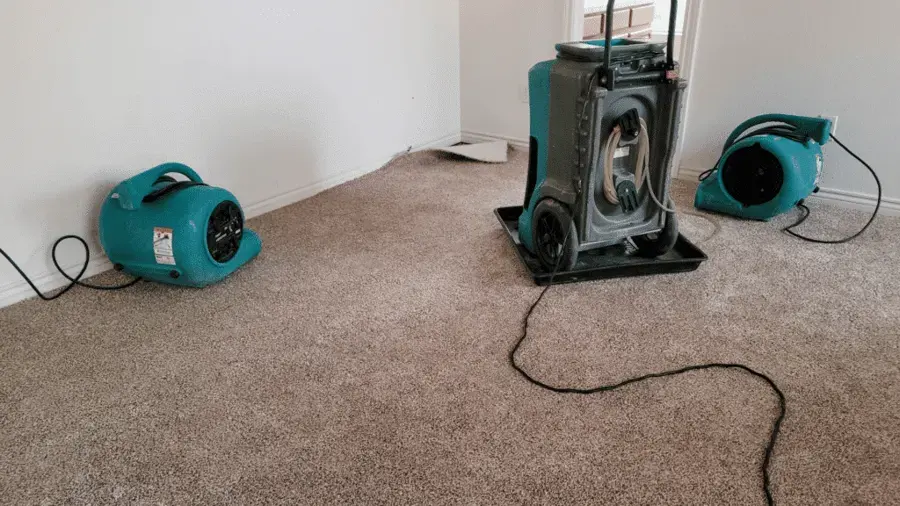
Structural drying means drying the framing, subfloor, plaster and concrete, not just the surface. The drying team maps the moisture, sizes the equipment to each room and keeps it running until the readings say dry.
(888) 629-3140Wet walls or framing? Start the drying now- 24/7 dispatch
- IICRC S500 drying standard
- Truck-mounted extraction
What to do the moment you find wet framing or walls
- 1
Get the standing water out
Drying cannot start until extraction is done.
- 2
Keep the house closed and heated
Steady indoor conditions help the dehumidifiers work.
- 3
Do not paint or close walls
Sealing a wet wall traps the water inside.
- 4
Keep the equipment running
Turning off air movers or dehumidifiers overnight sets drying back.
How structural drying is handled in Framingham
Moisture mapping
The tech who does the walkthrough maps wet materials with thermal imaging and pinless and pin meters, and picks a dry reference in an unaffected room.
Size the equipment
The drying team sets air movers to the evaporation load and LGR or desiccant dehumidifiers to the class of loss.
Read and adjust daily
Readings and psychrometric logs are recorded every day, equipment is moved as areas dry, and it all comes out at the drying goal.
What does structural drying cost in Framingham, MA?
In Framingham, MA, structural drying typically runs $1,500 to $18,000 or more, depending on the class of loss, the number of rooms, the materials, the number of equipment days and whether desiccant drying is needed.
Class 1 or 2, one area
$1,500 to $4,000
- Air movers and an LGR unit
- Three to five days
- Daily readings
Class 3, several rooms
$4,000 to $9,000
- More equipment per room
- Wall cavity drying
- Five to seven days
Class 4 or whole level
$9,000 to $18,000+
- Desiccant dehumidification
- Plaster, hardwood, concrete
- Extended monitoring
For a planning number, try the water damage cost calculator. A firm figure comes from the on-site moisture map and scope.
How structural drying work runs, start to finish
- 01
Call and dispatch
The response team takes the details of wet framing or walls and sends a crew with extraction gear, air movers and meters, 24/7.
- 02
Map the moisture
The tech who does the walkthrough uses thermal imaging and pinless meters to find wet framing, insulation and subfloor before any equipment goes down.
- 03
Extract and set the drying
The extraction crew pulls standing water, then sets air movers and LGR dehumidifiers to the evaporation load of each room.
- 04
Read daily, verify dry
Readings are logged every day and the equipment comes out only when the wet materials match a dry reference within 2 to 4 points.
Surface dry is not structurally dry
Drywall can feel dry to the hand while the stud behind it, the bottom plate under it and the subfloor below are still wet. Paint and trim go back on, the wall gets closed, and weeks later the odor, the stains or the mold show up. Structural drying is the part of the work that prevents that. IICRC S500 is the industry drying standard, and it calls for drying to a measured goal rather than to a look or a date.
Why Framingham houses dry differently
Older Framingham homes are full of materials that hold water. Plaster and lath walls, old-growth oak floors and fieldstone foundations are dense, Class 4 materials that release moisture slowly. Postwar homes add finished basements with carpet over concrete. Humid July air in a basement slows drying, while dry heated air in January speeds it up, so the drying team adjusts the equipment to the season and the house.
- Plaster and lath walls around Framingham Centre
- Oak strip floors in older colonials and capes
- Concrete and fieldstone basements
- Insulated exterior walls under ice dam leaks
What the equipment does
Air movers push air across wet surfaces to speed evaporation. LGR dehumidifiers pull that moisture out of the air, even when the air is cool. Desiccant dehumidifiers take over for dense materials and cold spaces. Injection drying pushes dry air into wall cavities and under cabinets. The equipment stays until wet materials sit within 2 to 4 points of a dry reference material in the same house, and the daily psychrometric logs go into the claim file. The EPA mold and moisture advice explains why drying within 24 to 48 hours matters, and FEMA publishes recovery advice for homes after water losses.
Need a house dried to the standard? Call (888) 629-3140 24/7.
Covering Framingham and MetroWest
The restoration team covers all of Framingham, from Saxonville and Nobscot to downtown and the south side, plus Natick, Sudbury, Wayland, Southborough, Ashland, Sherborn, Holliston and Marlborough.
ZIP codes 01701, 01702, 01703, 01704 and 01705.
See every village and ZIP coveredRelated water damage services in Framingham
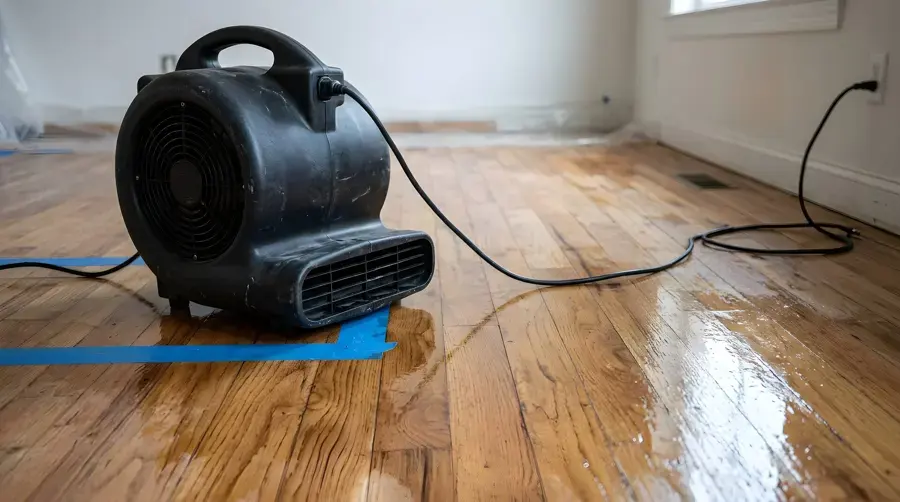 Hardwood Floor Water DamageOak strip floors pulled flat again with drying mats before they cup for good.See the service
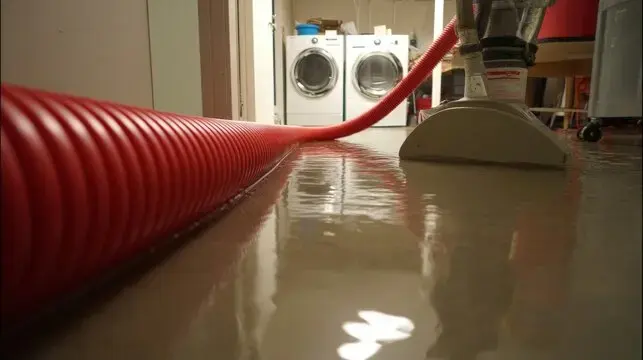 Water ExtractionTruck-mounted extraction pulls standing water out before it wicks into walls.See the service
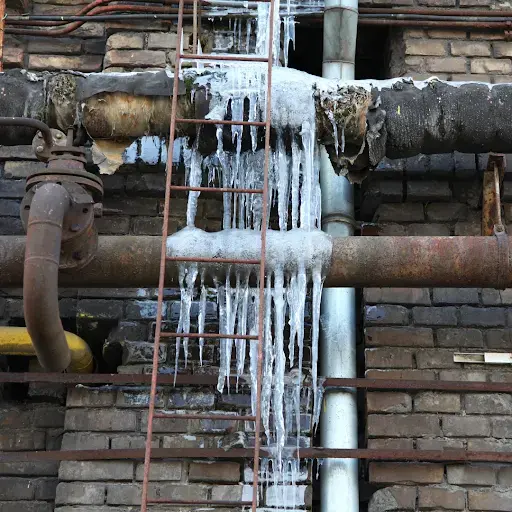 Frozen Pipe Water DamageBaseboard and supply pipes that split in a hard freeze, dried inside the cavity.See the service
Structural Drying questions in Framingham
Water still moving?
The Framingham restoration crew is on call day and night for extraction and drying.
(888) 629-3140Start the Framingham dry-outWhat is the drying goal in structural drying?
Wet materials are dried until their readings sit within 2 to 4 points of a dry reference material of the same type in an unaffected part of the house. Equipment comes out on readings, not on a schedule.
Why are there so many fans and dehumidifiers?
Equipment is sized to the class of loss and the evaporation load of each room. Too little equipment lets materials stay wet long enough for microbial growth to start.
Can the equipment be turned off at night?
It should run continuously. Turning it off lets humidity climb and the materials take water back, which adds days to the job.
What is the difference between LGR and desiccant dehumidifiers?
LGR units are refrigerant dehumidifiers built to pull water from cool or already dry air. Desiccant units use a moisture-absorbing wheel and work in cold spaces and on dense Class 4 materials.
How long does structural drying take?
A contained Class 1 loss usually dries in three to five days. Class 3 and Class 4 losses with plaster, hardwood or concrete take longer.
What goes into the drying log?
Daily moisture readings for each wet area, temperature and humidity readings inside and outside the work area, equipment counts and placement, and photos. It shows the adjuster how and when the structure reached dry.
Structural Drying in Framingham? Call now.
The restoration team covers Framingham and MetroWest 24/7, with extraction, drying to the IICRC S500 standard and claim-ready documentation.
- Framingham, MA and MetroWest
- Open every day of the year, nights included
- Find us on Google