Basement Flooding Cleanup in Framingham, MA
Spring groundwater, a failed sump or a split pipe can put inches of water in a Framingham basement overnight. The restoration team pumps it out, opens what has to come out and dries the rest to a verified reading.
(888) 629-3140Basement under water? Call for the pump-out- 24/7 dispatch
- IICRC S500 drying standard
- Truck-mounted extraction
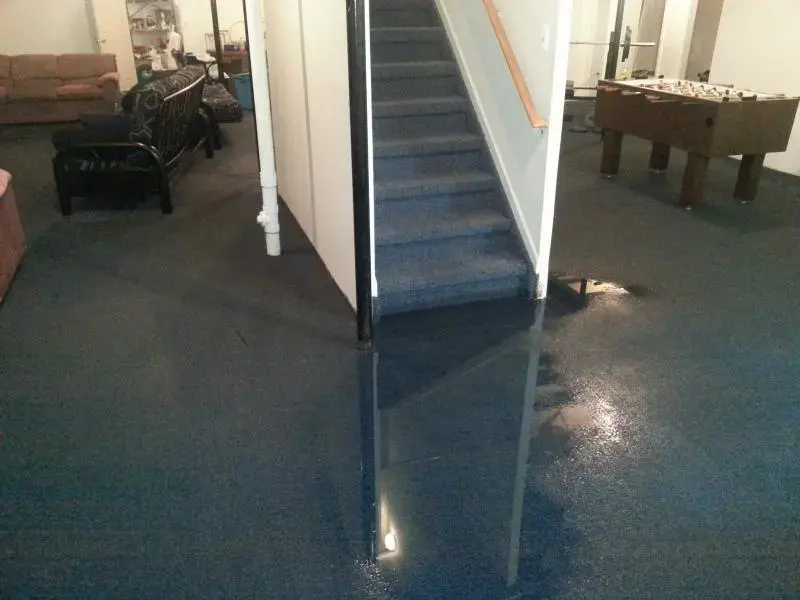
What to do the moment you find a flooded basement
- 1
Stay off the stairs if outlets are under water
Water and live circuits do not mix. If the panel is in the wet basement, wait for the crew or the utility.
- 2
Find the source
Check the sump pit, the water heater and visible pipes. Close the main if a pipe is running.
- 3
Move valuables up
Carry boxes, photos and electronics upstairs before they wick water.
- 4
Photograph the waterline
A photo of the water depth on the wall helps the claim file later.
How basement flooding cleanup is handled in Framingham
Pump and extract
The extraction crew pumps deep water first, then extracts carpet, pad and floor seams with truck-mounted extraction.
Open the walls that need it
The mitigation team cuts drywall above the waterline where readings show water in the cavity, and leaves dry sections alone.
Dry the slab and framing
The drying team runs LGR dehumidifiers and air movers until the concrete and studs reach the drying goal.
What does basement flooding cleanup cost in Framingham, MA?
In Framingham, MA, basement flooding cleanup typically runs $1,500 to $20,000 or more, driven by the water category, how much of the basement is finished, the square footage and how fast pumping started.
Unfinished basement
$1,500 to $4,000
- Pump-out and extraction
- Concrete and framing drying
- Antimicrobial where needed
Finished basement
$4,000 to $9,000
- Carpet and pad removal
- Flood cuts and cavity drying
- Daily readings to dry
Category 3 or whole level
$9,000 to $20,000+
- Sewage or river water
- Containment and porous removal
- Full structural drying
For a planning number, try the water damage cost calculator. A firm figure comes from the on-site moisture map and scope.
How basement flooding cleanup work runs, start to finish
- 01
Call and dispatch
The response team takes the details of a flooded basement and sends a crew with extraction gear, air movers and meters, 24/7.
- 02
Map the moisture
The tech who does the walkthrough uses thermal imaging and pinless meters to find wet framing, insulation and subfloor before any equipment goes down.
- 03
Extract and set the drying
The extraction crew pulls standing water, then sets air movers and LGR dehumidifiers to the evaporation load of each room.
- 04
Read daily, verify dry
Readings are logged every day and the equipment comes out only when the wet materials match a dry reference within 2 to 4 points.
Why Framingham basements flood
Much of Framingham sits in the Sudbury River valley, with ponds scattered across the south and west sides. In March, melting snow and spring rain raise the water table, and older foundations let it in. Pre-war homes around Framingham Centre and downtown often stand on fieldstone or brick foundations that were never built to keep water out. Postwar capes and split-levels in Nobscot, Pinefield and Saxonville have poured walls, but many were finished decades later with carpet and drywall right against the concrete.
- Groundwater seeping through walls and floor joints in spring
- Sump pumps that fail or lose power during a nor'easter
- Split pipes, failed water heaters and washer hoses
- Sewer backups through a floor drain
Saving a finished basement
A finished basement can often be saved when extraction starts early. The mitigation team pulls the carpet pad, which soaks like a sponge, and cuts the drywall above the waterline so air can reach the studs and insulation. Carpet itself can sometimes be dried and relaid after clean-water losses. Paneling, laminate and particleboard furniture rarely survive long soaking.
Drying concrete and stone
Concrete slabs and stone walls give up water slowly. The drying team uses LGR dehumidifiers to pull the air down to a low humidity, and on dense materials may bring in desiccant units. Readings are taken every day against a dry reference, and the equipment stays until the slab and framing reach the drying goal. The EPA mold and moisture advice explains why basements that stay damp grow mold, and FloodSmart covers how flood insurance treats basements.
Water in the basement right now? Call (888) 629-3140 for 24/7 pump-out and drying.
Covering Framingham and MetroWest
The restoration team covers all of Framingham, from Saxonville and Nobscot to downtown and the south side, plus Natick, Sudbury, Wayland, Southborough, Ashland, Sherborn, Holliston and Marlborough.
ZIP codes 01701, 01702, 01703, 01704 and 01705.
See every village and ZIP coveredRelated water damage services in Framingham
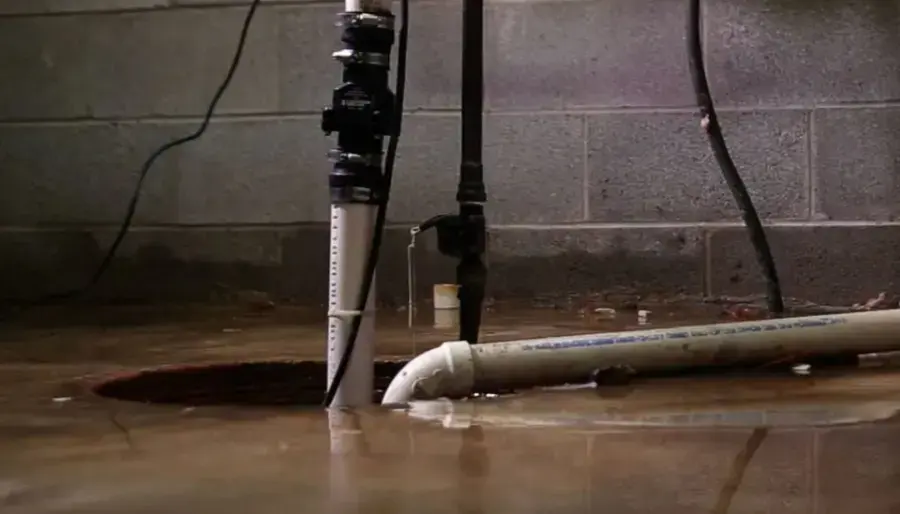 Sump Pump Failure CleanupPits overwhelmed by March melt or a power cut, cleaned up and dried.See the service
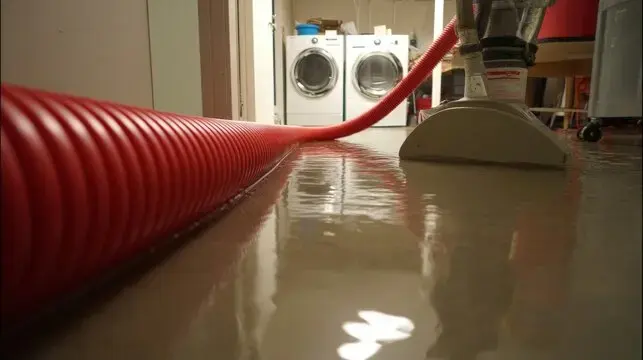 Water ExtractionTruck-mounted extraction pulls standing water out before it wicks into walls.See the service
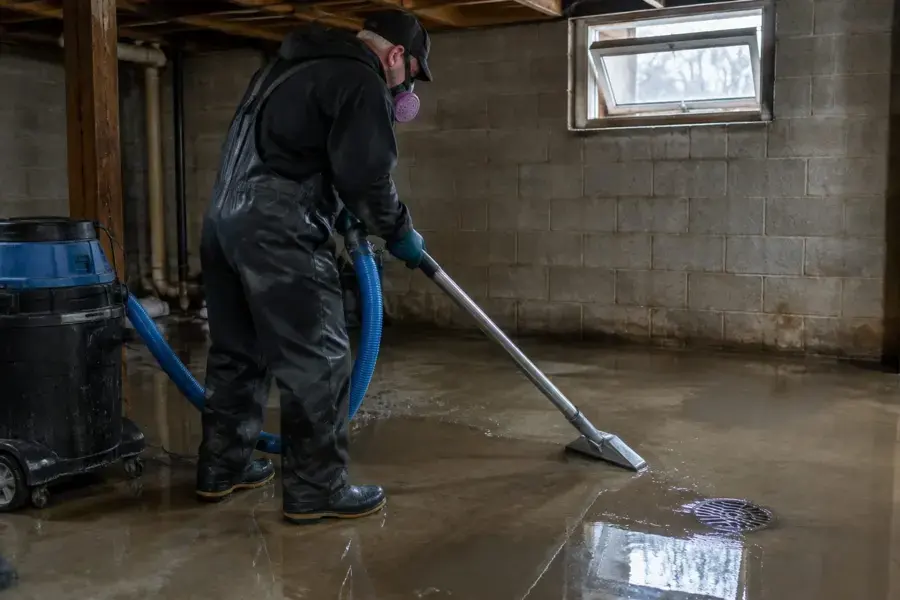 Sewage Backup CleanupCategory 3 backups contained, removed and treated with antimicrobial.See the service
Basement Flooding Cleanup questions in Framingham
Water still moving?
The Framingham restoration crew is on call day and night for extraction and drying.
(888) 629-3140Start the Framingham dry-outIs basement water from groundwater covered by insurance?
Seepage through a foundation is often excluded from a standard homeowners policy, while a burst pipe usually is treated as sudden and accidental. Coverage depends on your policy, so it is worth checking with your own insurer.
Does all the drywall in a flooded basement have to come out?
No. The mitigation team cuts only above the waterline shown by the moisture map, often 2 to 4 feet up. Drywall touched by sewage is removed wherever it got wet.
Can basement carpet be saved?
Sometimes, after a clean-water loss caught early. The pad underneath is almost always replaced. Carpet soaked by groundwater, sewage or river water is removed.
How long does a finished basement take to dry?
Four to seven days is typical once extraction is done. Fieldstone walls, thick slabs and humid summer weather push it longer.
What if the electrical panel is in the flooded basement?
Stay out of the water. If the panel cannot be reached safely from a dry spot, wait for the crew or call the utility to cut power at the meter.
Why does the basement smell musty even after the water is gone?
Water left in the framing, the slab or the pad keeps feeding odor and microbial growth. Drying to a measured reading and treating with an EPA-registered antimicrobial is what clears it.
Basement Flooding Cleanup in Framingham? Call now.
The restoration team covers Framingham and MetroWest 24/7, with extraction, drying to the IICRC S500 standard and claim-ready documentation.
- Framingham, MA and MetroWest
- Open every day of the year, nights included
- Find us on Google