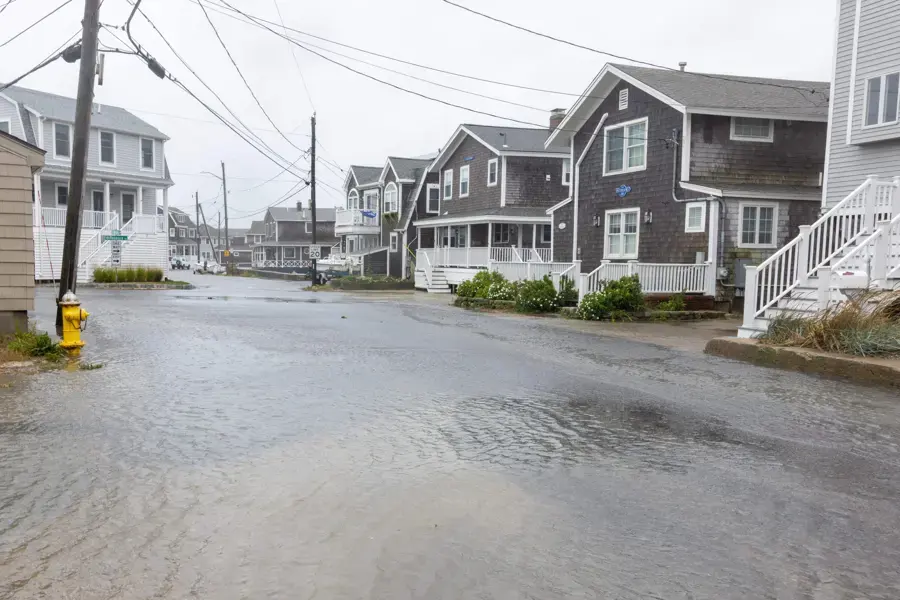
Wayland sits on the Sudbury River, and in some storms the water takes over the road. Pelham Island Road is the place where that has happened most clearly.
Key takeaways
- The Sudbury River runs through Wayland, and the Great Meadows National Wildlife Refuge lies along the river near Pelham Island Road.
- Wash Brook, a Sudbury River tributary, flowed over Pelham Island Road during the March 2010 flood.
- River and brook water is Category 3, so soft materials that soaked it up are usually removed.
- Floodwaters have at times made Pelham Island Road inaccessible, so getting help in can take planning.
- The sooner standing water is extracted, the less it wicks into walls and framing.
What happened in March 2010
In March 2010, torrential rain flooded the Pelham Island Road area. Wash Brook, a tributary of the Sudbury River, flowed over the road.
Boston Duck Tours amphibious boats ferried residents until the water receded. The storm dumped more than seven inches of rain on some parts of Massachusetts.
Floodwaters have at times made Pelham Island Road inaccessible, and the National Guard has provided emergency transportation to residents.
The details matter less than the pattern. A road that closes under water also closes to trucks, so the first hours after a flood can be spent waiting for the water to drop.
That waiting time is when planning pays off. Residents who have photographed the property, moved valuables up and shut off power can start cleanup the moment the road is open.
- Wash Brook: flowed over the road in the March 2010 flood.
- Duck boats: ferried residents while the road was under water.
- National Guard: has provided emergency transportation at times.
The river and the refuge
Wayland is on the Sudbury River, and the Great Meadows National Wildlife Refuge lies along the river near Pelham Island Road. The land is low and wet by nature.
Lake Cochituate and Hop Brook are other water bodies in town, where stormwater outfalls discharge.
For a homeowner near the river, the lesson is simple. Heavy rain upstream can show up as water on the property later.
A wetland has a job. It holds water, slows it and lets it soak in, and in a big storm it fills.
- Sudbury River: the main waterway through town.
- Great Meadows National Wildlife Refuge: a wide, low wetland along the river near Pelham Island Road.
- Lake Cochituate and Hop Brook: places where stormwater outfalls discharge.
Why river water is Category 3
The restoration industry sorts water by how dirty it is. A clean pipe leak is Category 1, and river or storm water sits at Category 3.
River water carries soil, runoff, fuel and waste. Anything soft that soaks it up usually cannot be cleaned well enough to keep.
Contaminated water is also a health matter. Anyone who touched it should wash and keep cuts covered, and children and pets should stay out of the affected rooms.
The Sudbury River floods slowly and recedes slowly. That means the water can sit in a house for a long time, and the sooner it is extracted, the better the structure fares.
Usually removed
These materials are cut out and discarded after river water.
- Carpet and pad.
- Insulation in wall cavities.
- Drywall above the high water mark.
- Upholstered furniture and mattresses.
Usually saved
Hard, nonporous surfaces and solid framing are cleaned, treated and dried. Studs, concrete and tile are common examples.
Getting the water out
The first physical step is extraction. The storm and flood cleanup team uses pumps for deep water and extractors for what is left on the floor.
The water extraction crew works quickly because standing water wicks upward into walls and soaks into subfloors.
Only after the standing water is gone can the team see how far the damage went.
Once the water is out, the crew lifts what can be lifted and cuts out what cannot. A clean opening at the base of the wall gives air a path to dry the cavity.
Contents are sorted on the same visit. Items that can be cleaned are set aside, and items that soaked up Category 3 water are listed for the claim and discarded.
- Submersible pumps: remove deep water fast.
- Extractors: pull the remaining water from floors and carpet.
- Moisture meters: show what the surface hides.
- Staging: the crew places equipment so the whole wet area dries evenly.

Drying and treating the structure
After extraction and removal, the team treats surfaces with antimicrobial and sets air movers and dehumidifiers.
The drying goal follows the IICRC S500 standard. The team reads moisture in the framing and subfloor and keeps the equipment running until the numbers are dry.
A wall that feels dry can still hold water inside. That hidden water is why readings matter more than touch.
Every wet room gets its own readings. A bedroom, a hallway and a garage can each dry on a different schedule.
Crawl spaces, garages and finished lower levels often dry at different speeds. The team places equipment in each space and checks all of them before the job closes.
- Air movers: push air across wet surfaces to release moisture.
- Dehumidifiers: pull the released moisture out of the air.
- Daily readings: measured and logged until the dry standard is reached.
- Final check: the team confirms the readings before the equipment leaves.
Septic systems and flood water
Wayland does not have town wide public sewer. Most homes rely on private on site septic systems regulated under Title 5, and only the Town Center and Route 20 corridor is served by a municipal wastewater treatment plant.
Flood water that reaches a septic system can complicate a cleanup. If sewage is part of the water, the job is treated as a sewage cleanup, and the restoration team works with the same containment and protective gear.
A septic professional looks at the system itself after a flood.
The restoration team does not inspect or repair a septic tank. It cleans the house, removes contaminated material and dries the structure.
Residents who are unsure whether the septic system took on flood water can ask the Wayland Board of Health, which regulates septic systems under Title 5.
Planning for the next high water
No one can stop the river. Planning for the next flood still makes a difference.
Know the alternate ways out of the neighborhood, keep important papers in a waterproof container and keep a list of valuables in the house.
The Wayland town page lists every service the restoration team handles in town, around the clock.
After the water goes down, a walk around the property helps. Look for soft spots in the yard, damaged steps and anything the water moved, and photograph them for the record.
- Plan two routes: know how to leave the neighborhood if one road is closed.
- Store papers high: deeds, insurance papers and passports in a waterproof container.
- Keep a contact list: insurer, utility and a family contact on paper.
- Photograph the rooms: a current set of photos supports any claim.